
So you’ve got a bottle of whisky on your shelf that you just don’t like. If you’re sure it hasn’t gone off and it just isn’t for you, then this is the guide to solve that problem if rehoming it with a whisky buddy has failed. The answers below all require a little bit of effort but they’re all more interesting than the obvious: “mix it with coke” or “bin it” you’ll hear elsewhere.
Make an Infinity Bottle
How to make an Infinity Bottle is now very well documented so I’ll link detailed resources below:
I have multiple infinity bottles on the go. Peated, unpeated, North American and even a “Cocktail Blend” of ryes and malts with a fruity and spicy profile that I use specifically in Old Fashioneds or Boulevardiers. The typical advice is to only blend whiskies you enjoy but there is lots of hope for improving whiskies that aren’t to your personal taste. Adding a whisky you don’t like to an infinity bottle is a gamble you can absolutely mitigate too
First you can try combining equivalent percentages of whisky in a glass. So if you have a bottle that’s got maybe ¼ left try adding a teaspoon of your chosen enjoyable whisky to a 25ml pour of the one you dislike to see how they combine. If you don’t like that then try a stronger percentage of what you do like. If you don’t get anywhere, try another bottle but don’t be too stubborn. There is a limit to what you can do with an infinity bottle. I’ve found that peat can hide a lot of sins and if you’re not a peat fan consider blending with rye too.
Make Ice Cream
This one comes with a fat caveat: Alcohol remains largely unaltered when put into ice-cream, it also impacts the texture. This means you can get drunk if you eat too much in theory, and you are limited by how much you can add before the texture is ruined by adding liquid that doesn’t freeze. Generally you are looking at about 25-35ml per US pint (ie, tub) of ice cream depending on ABV.
Light and floral whiskies may get lost in the ice cream so I always recommend heavier ones when trying this with ‘good’ bottles. Ryes in particular have worked best.
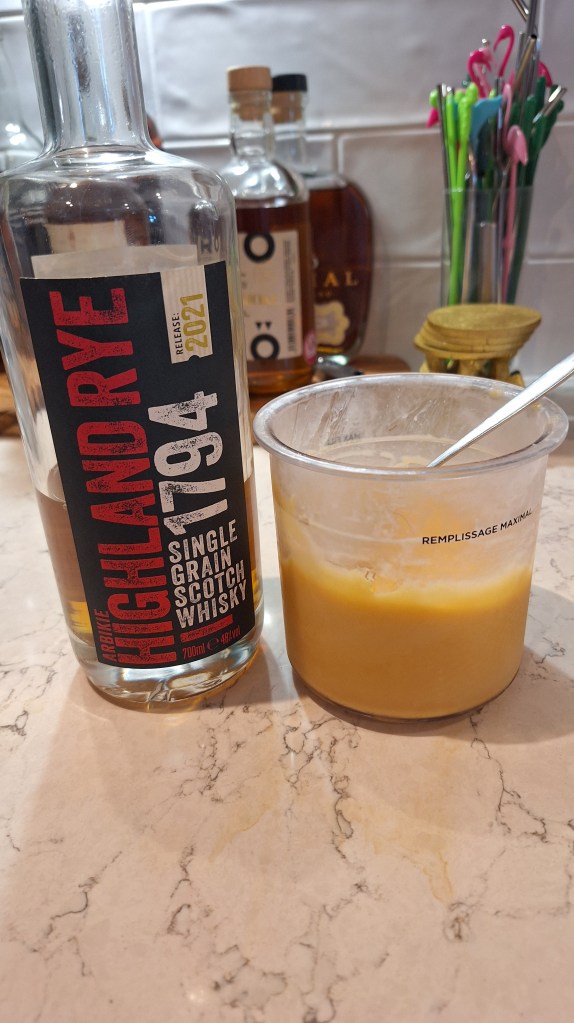
If you have an ice cream machine then it’s just a case of stirring in the whisky when you whisk to add air. The alcohol can sink to the bottom if not incorporated so just be aware of that. For a machine free method you can try no-churn or hand mixing. You can taste test as you go to ensure the whisky flavour is balanced. Remember it’ll taste just as strong hot as cold.
Make Vanilla Extract
If you’re a baker or have a baker in your life then this is the wildcard option you may not have considered. You are technically supposed to use vodka or a flavourless alcohol for this but whisky can work too and quite well if you get it right. If the whisky you’re looking to use up is:
- Young
- Unpeated
- Without a strong cask finish (virgin oak and ex bourbon are great)
If you match the above then this option can work quite well. A bourbon or young grain whisky (hello, Haig Club) would do great too. Vanilla can be purchased on Amazon, Etsy and many other places. Just look for well reviewed retailers. Like whisky, vanilla flavours vary by region and if you don’t want to try out multiple to compare then the personal favourite we use at home is Madagascan vanilla.
There are many recipes online to follow but the principle is the same. Slice your pods lengthways to release the beans inside and then shove them in your spirit. It takes about 6 months to really become usable and then you can top it up after that for years with new spirit.
Make Fruit Liqueurs
One of my favourite solutions on this list comes from a surprising celebrity chef: Hugh Fearley-Whittingstall. When gifted with a cheap bottle of bourbon I followed this blackberry whisky recipe to turn it into a liqueur that several of my friends are obsessed with. The tasting notes given are bang on. This comes out more like a supercharged port if you follow the recipe and the character of the underlying whisky is very suppressed. What matters is the blackberries. Organic and in-season is always going to trump the cheapest from the supermarket.
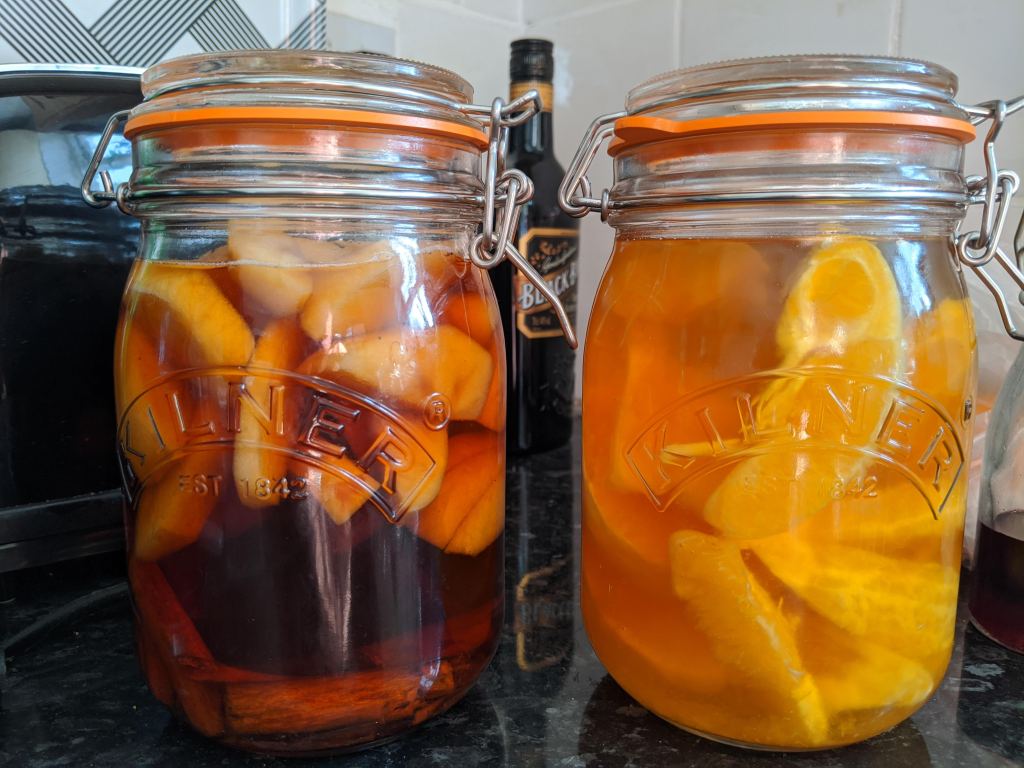
There is no reason why you can’t age longer than the six months recommended so long as there isn’t too much air in the jar and the fruit is submerged. After my initial six-month-aged batch went down so well in 2020 I made a new one in 2021 which is now over three years old and still delicious when sampled on occasion. You can also top it up with different bourbon or whisky, or new fruit too, just make sure it is well sealed and shaken on occasion too.
Stave It Up!
If all the above have failed or not been suitable then sticking a stave of something in and leaving it could really alter the flavour but there’s little guarantee of success. It’s very possible to boost a young and thin tasting whisky with this but much more of a gamble if you’re trying to cover up an off cask note.
If you had a young whisky or new make that you loved then buying a small countertop barrel, seasoning it and then ageing is the way to go. But for whisky you’re not into this is the hail mary part of the article so we’re not going that deep.

Whisky staves are readily available from retailers or on ebay so head on over and browse to find a finish or char that sounds good to you. Then it’s a case of decanting your bottle into a wide brimmed Kilner jar or similar and adding the stave. You can alternatively add the stave directly to the bottle but that may lead to it over-flavouring the whisky or an awkward situation later when you’re trying to fish it out.
That’s the list. Should you have any ideas on what to do with bad whisky we’d love to hear them in the comments below.



 All But Drams
Leave a comment